Introduction

Fire alarm and suppression systems are critical components of any building's safety infrastructure. They are designed to detect and respond to fires, providing early warnings and measures to help protect lives and property. Understanding how these systems work and their importance can ensure effective implementation and maintenance.

Fire Alarm Systems

Fire alarm systems are responsible for detecting the presence of fire through various sensors and alerting building occupants and emergency services. These systems consist of several components, each playing a crucial role in ensuring timely detection and response.

Key Components
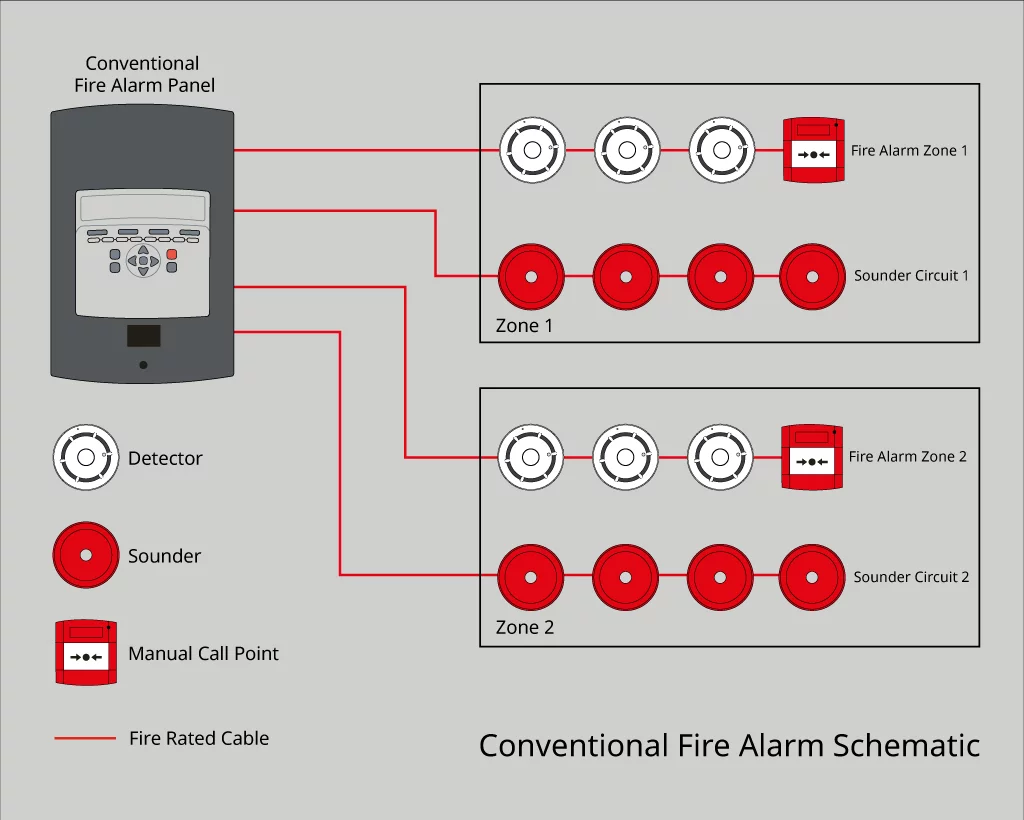
  • Smoke Detectors: These devices sense smoke particles in the air, often using photoelectric or ionization technology. They are among the most common types of detectors in residential and commercial properties.
  • Heat Detectors: Designed to respond to a rapid rise in temperature or a preset temperature level, heat detectors are often used in areas where smoke detectors may give false alarms, such as kitchens.
  • Manual Pull Stations: Located along exit routes, these devices allow individuals to manually trigger the alarm system in case of a fire.
  • Alarm Notification Appliances: These include bells, horns, and strobe lights that alert occupants to evacuate the building immediately.
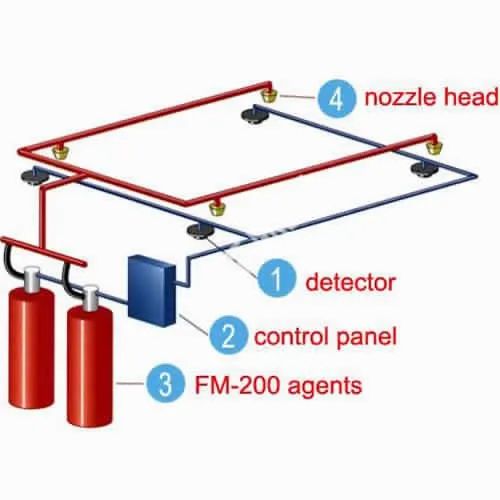
  • Control Panel: The control panel serves as the system's brain, receiving signals from detectors and initiating alarms. It also communicates with monitoring services and fire departments.
Types of Fire Alarm Systems
  • Conventional Systems: Detect fire in specific zones, allowing responders to identify the general location of the fire.
  • Addressable Systems: Provide detailed information on the exact location of each detector, offering precise tracking and faster response.


Fire Suppression Systems

Fire suppression systems are engineered to extinguish or control fires automatically in high-risk areas, helping to minimize damage and ensure safety. These systems often work in conjunction with fire alarms to provide comprehensive protection.

Types of Fire Suppression Systems
  • Sprinkler Systems: The most common type, using water to control or extinguish fires. They can be wet pipe, dry pipe, pre-action, or deluge systems, depending on the specific application and building requirements.
  • Gas Suppression Systems: Utilize inert gases or chemical agents to suppress fire without using water, making them ideal for sensitive environments like data centers or museums.
  • Foam Systems: These systems apply a foam agent to smother flammable liquid fires, often used in facilities with hazardous materials.
  • Dry Chemical Systems: Use dry powder to interrupt the chemical reactions that sustain a fire, commonly found in industrial settings.
Maintaining Fire Suppression Systems

Regular maintenance is essential to ensure these systems function correctly when needed. This includes inspecting and testing components, refilling agents, and ensuring that all system parts are unobstructed and operational.

Importance of Fire Alarm and Suppression Systems


Importance of Fire Alarm and Suppression Systems

Implementing effective fire alarm and suppression systems is vital for protecting lives and property. These systems:

  • Provide Early Warning: Allowing for timely evacuation and response by emergency services.
  • Reduce Property Damage: By controlling or extinguishing fires before they spread.
  • Ensure Compliance: Meeting local fire safety codes and regulations.
  • Enhance Safety: Offering peace of mind to building occupants and owners.

In summary, fire alarm and suppression systems are indispensable in safeguarding against the devastating effects of fire. Proper installation, regular maintenance, and an understanding of their operation are fundamental to maximizing their effectiveness.